
Parallel Parallel Wings (IPE):
Isfahan's ordinary beam, which is identified by hot rolling method and is produced by ST37, ST44 and ST52 steels. The standards used for this type of national beam are the national standard 1791, DIN1025-5, EN10034 and EN10025-2. They are also mainly produced and marketed in the sizes of 12, 14, 16, 18, 20, 22, 27 and 30. Due to parallel wings, these beams are used in projects that need tolerate bending loads such as bridges, columns, niches, and so on.
Parallel Wings Parallel Wings (IPB):
Isfahan beam (I-5) is manufactured by hot rolling methods in accordance with Iran's 14484 standards, DIN1025-2, EN10034 and EN10025-2 standard and produced in sizes 14, 16, 18, 20, 22, 24 and 30 and is suitable for heavy loads, so it is widely used in the construction industry.
Sloping sloping wings (IPBL-IPB):
This type of beam is manufactured in sizes 14, 16, 18, 20, 24 and 30 and is produced according to the national standard 14484, DIN1025-2 and EN10025-2 standard. IPBL or sloping sloping wing beams cause weight loss and consumption of steel and is used in moderate load bearing structures. IPB or broad wings is used for heavier structures that have taller openings.
Sloping sloping wings (IPN):
Isfahan IPN beam, which is manufactured by hot rolling and from ST37, ST44 and ST52 steels and is available in sizes 12, 14 and 20. The standards used in its production are the National Standard 3277, DIN1025-1, EN10024, EN10025-2. The weight of the IPN beam is 12.1 kg and 14.3 kg. These types of beams are suitable for structures that must bear bending load.
Semi-light half-winged beam (I-7):
These beams are a type of IPE beam that is less weight and better quality. Isfahan's semi-lightweight beam (I-7) is produced according to the national standard of Iran 16348. Their size is 140 to 200 mm and is 12 meters long and is mainly available in sizes 14, 16, 18 and 20. This type of iron beam is suitable for intermediate loads and short to medium openings.
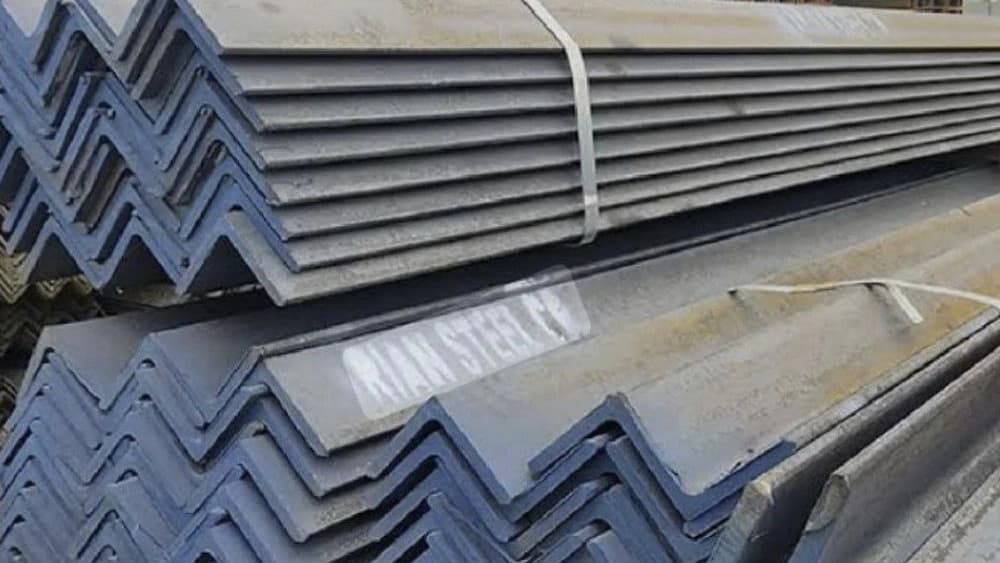
The corner, which is in fact one of the types of joint joints, is a profile whose cross -sectional surface is disturbed in the form of two perpendicular sides. Every corner is called a wing. What is important in introducing corners is the length of each wing as well as the thickness of the wings. Because these corner properties affect its weight as well as the capacity of load tolerance by it.
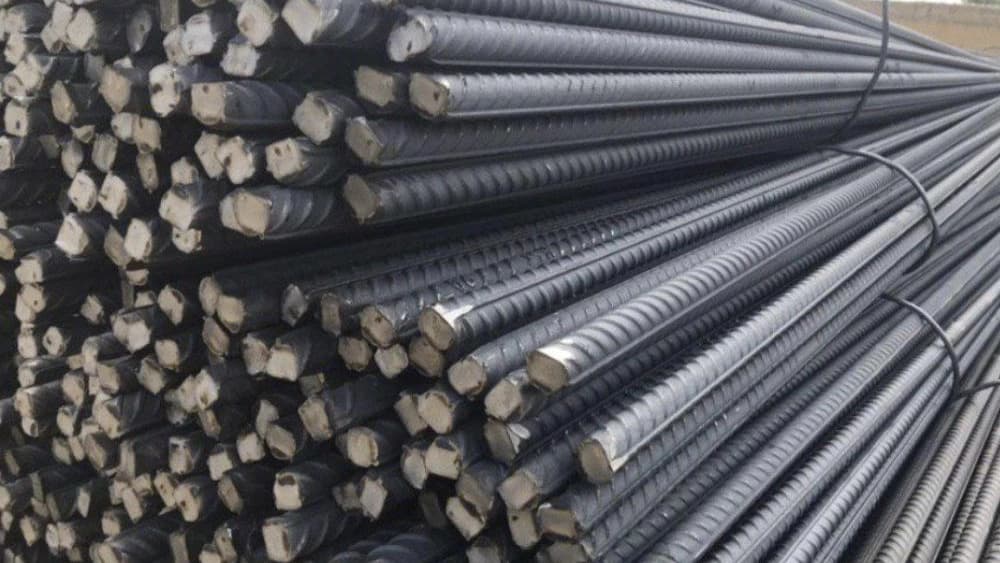
This type of rebar is tread and its tread is spiral, uniform, spindle or compound, and the percentage of carbon, hardness and bending capability vary. A3, A2 and A4 bars are these types of bars. One difference between a simple and ribbed rebar is that ribbed bars are mainly used in the construction industry
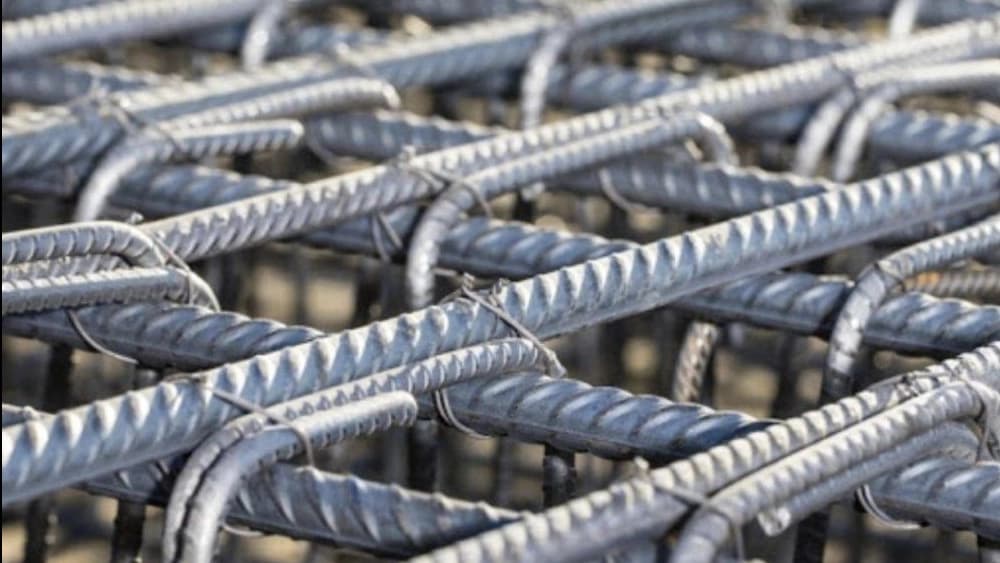
This type of rebar, also known as the thermal reinforcement, is one of the types of rebar used to control thermal stresses and prevent concrete cracking. The thermal bars are resistant to expansion and contraction caused by temperature changes and increase the strength of concrete structures.
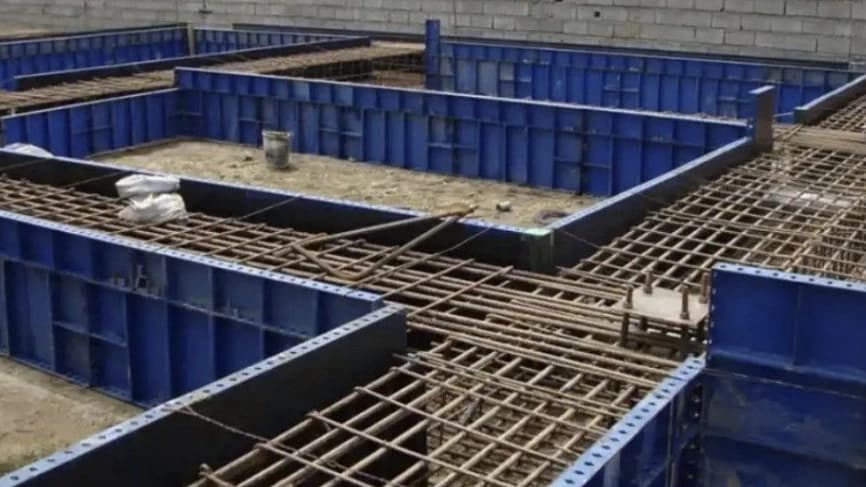
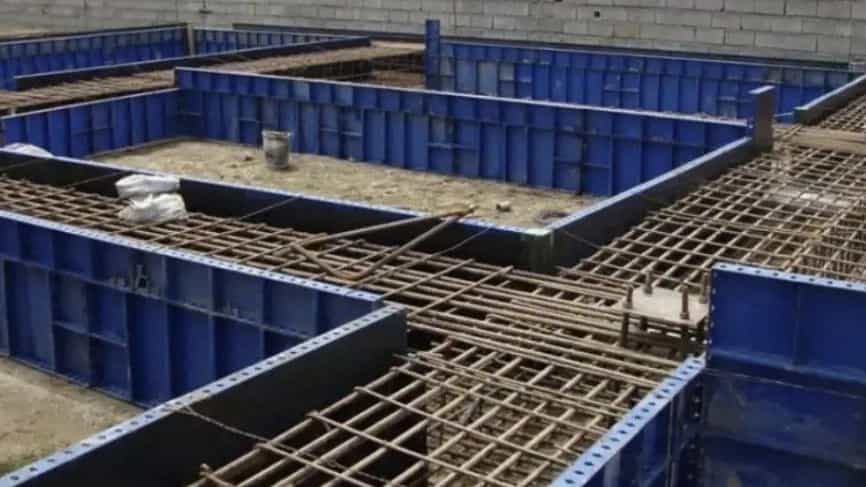
Shuttering is certain tasks within a certain period of time to perform a series of special operations permanently or temporarily to fill that location by concrete or similar materials. Usually in concrete work, scaffolding is used as molding supports.